

✨ The Rise of Smart Outdoor Living

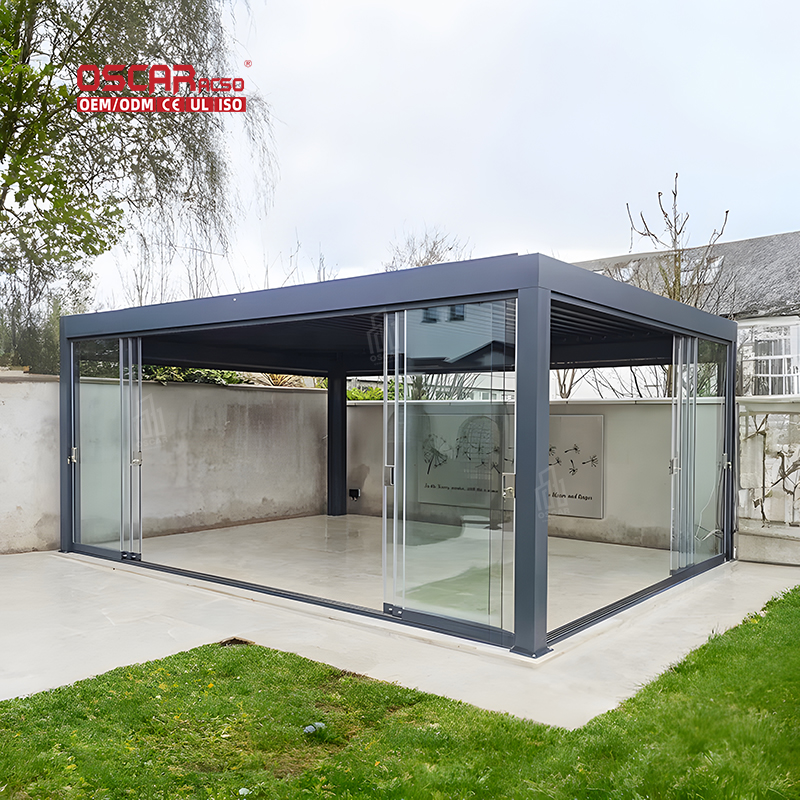
Imagine adjusting your pergola’s shade with a simple button press while lounging in your garden—no more struggling with manual cranks or weathering sudden rain showers. Remote control systems for pergolas are transforming backyards into seamless extensions of indoor comfort, blending technology with nature. These devices allow users to operate louvers, screens, or retractable covers effortlessly, enhancing both functionality and aesthetics. Why are they gaining popularity? As outdoor spaces become central to home life, the demand for convenience and customization drives innovation. In my view, this trend reflects a broader shift toward integrated smart homes, where even garden structures contribute to energy efficiency and lifestyle ease.
🚀 What Can a Pergola Remote Control Do?
A remote control for pergola isn’t just about opening and closing covers; it’s a multifunctional tool that adapts to your needs. Key features include:
- •
Adjustable Shade and Light: Tilt louvers to block sun rays or allow gentle warmth, perfect for all-day comfort.

- •
Weather Protection: Retract screens or covers during rain or wind, safeguarding your space automatically.
- •
Integrated Lighting and Heating: Sync with LED lights or heaters for evening gatherings, controlled via handheld remotes or apps.
- •
Privacy Control: Lower side screens to create a secluded oasis, ideal for urban settings.
Beyond basics, some systems offer voice command compatibility with assistants like Alexa, making operation hands-free. How does it feel? Users report a dramatic drop in maintenance stress and a boost in outdoor usage year-round.

🔧 How Does the Technology Work?
Curious about the mechanics? Most pergola remote controls rely on radio frequency (RF) or Wi-Fi signals to communicate with motors embedded in the structure. Here’s a breakdown:
- 1.
Motorized Components: Silent motors attached to louvers or screens respond to signals, ensuring smooth movement.
- 2.
Power Sources: Options include hardwired electricity for reliability or solar panels for eco-friendly operation.
- 3.
Control Interfaces: Choose from dedicated remotes, wall-mounted panels, or smartphone apps that offer scheduling and sensors.
For instance, advanced models feature rain sensors that trigger automatic closure—no need to rush outside during a downpour! Installation typically requires professional help to align motors and ensure weatherproofing, but DIY kits are emerging for simpler setups.
💡 Benefits Beyond Convenience
Why invest in a remote-controlled pergola? The advantages extend far beyond lazy afternoons:
- •
Energy Savings: By optimizing natural light, you reduce reliance on indoor cooling, cutting electricity bills by up to 20% in sunny climates.
- •
Property Value Boost: Homes with smart outdoor features attract buyers, often increasing resale value.
- •
Accessibility: Elderly or mobility-impaired users gain independence with effortless controls.
I’ve noticed that families particularly appreciate the child-safe designs with lock functions, preventing accidental operation. Additionally, durable materials like powder-coated aluminum resist rust, ensuring longevity in harsh weather.
.jpg "remote control for pergola")
⚠️ Choosing the Right System: A Quick Guide
With various options available, selection depends on your priorities. Consider these factors:
- •
Compatibility: Ensure the remote integrates with your pergola’s motor type (e.g., AC or DC).
- •
Range and Battery Life: Opt for models with a 100-foot range and long-lasting batteries for wider coverage.
- •
Smart Features: If you love tech, pick app-based systems that allow geo-fencing or usage analytics.
A common mistake is overlooking warranty terms—reputable brands offer at least 2-5 years of coverage. My advice? Test responsiveness before purchasing; a laggy remote can frustrate more than it helps.
🌍 The Future: Sustainability and Personalization
Looking ahead, remote controls are evolving toward AI-driven adaptations. Imagine a system that learns your schedule—opening louvers at breakfast time or adjusting for seasonal sun angles. Eco-friendly innovations are also rising, such as solar-powered remotes that charge via daylight. From a design perspective, I expect more minimalist interfaces that blend with outdoor décor, moving away from clunky buttons. As smart cities grow, these systems could sync with community weather networks for hyper-local adjustments.
📈 Exclusive Insight: The Unseen Impact
While cost remains a barrier (premium systems range from 500−2000), the long-term payoff lies in enhanced well-being. Studies suggest that accessible outdoor spaces reduce stress by encouraging relaxation—a remote control simply removes friction. Moreover, as climate change intensifies, adaptive shading will become crucial for heat management. Don’t view it as a luxury; it’s a practical upgrade for resilient living.