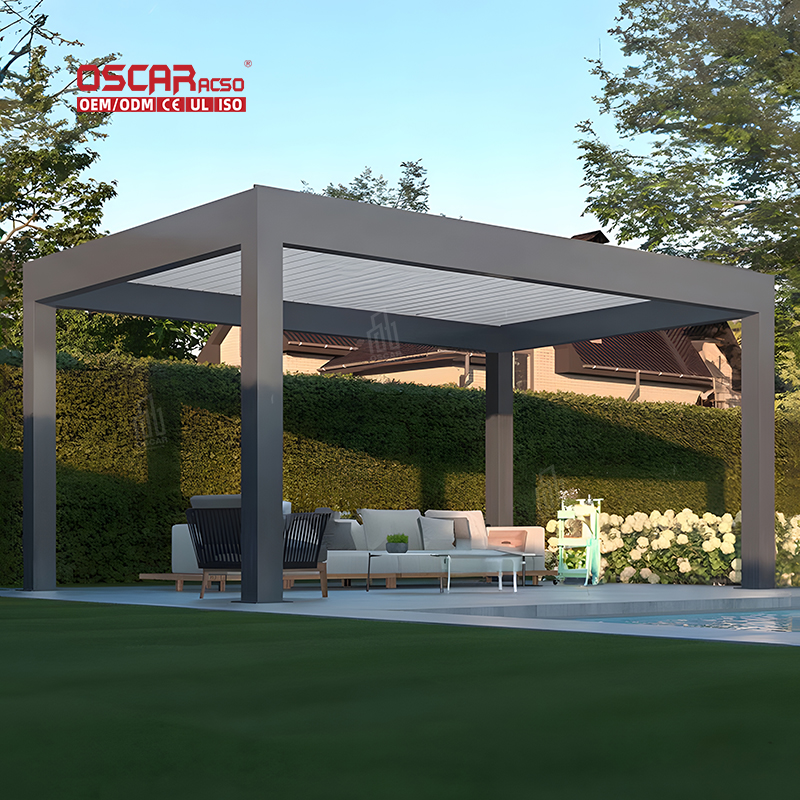
.jpg "pergola how to secure")
A pergola transforms your outdoor space into a stylish retreat 🌿, but its true value lies in how well it’s secured. Proper anchoring isn’t just about stability—it’s about safety, durability, and enjoying peace of mind during windy days or storms. Let’s explore how you can ensure your pergola remains a steadfast part of your home for years.
🔍 Understanding Why Secure Anchoring Matters
Why is anchoring so critical? An unsecured pergola risks collapsing in strong winds, potentially causing injury or damage. Beyond safety, a well-anchored structure withstands weather extremes, maintains its aesthetic appeal, and even boosts your property’s value. Whether freestanding or attached, pergolas require robust anchoring to prevent shifting, wobbling, or total failure.
🏠 Securing a Pergola to Your House
Attaching a pergola to your house demands careful planning. Start by inspecting your home’s exterior for wear or damage—stable walls and foundations are essential.
- •
Choose the Right Technique: Two main methods exist: ledger board attachment or direct wall attachment. A ledger board distributes weight evenly and requires flashing to prevent water seepage. Direct attachment involves drilling into the wall for brackets or bolts.
- •
Match Fasteners to Materials: Use rust-resistant stainless steel or galvanized hardware. For masonry walls, opt for masonry screws and anchors; for wood, use wood screws or lag bolts.
- •
Flashing and Sealing: Always install flashing behind the ledger board to protect against moisture. After installation, apply waterproof sealants to guard against the elements.
🌱 Securing a Freestanding Pergola to the Ground
Freestanding pergolas rely entirely on their base for stability. The right method depends on your soil type, local climate, and whether you prefer a permanent or temporary setup.
- •
Concrete Footings: For maximum stability, dig holes at least 24-36 inches deep, add gravel for drainage, and pour concrete around the posts. This is ideal for permanent structures and high-wind areas.
- •
Ground Anchors: These are less labor-intensive and ideal for avoiding permanent changes. Spiral or screw-in anchors driven into the soil can be paired with straps or cables to resist uplift and lateral movement.

- •
Weighted Bases: For temporary setups or patios, use heavy planters filled with gravel, sandbags, or concrete blocks. This avoids drilling and allows for flexibility.
.jpg "pergola how to secure")
.jpg "pergola how to secure")
🛠️ Reinforcement Techniques for Enhanced Stability
Even with solid anchoring, additional reinforcement ensures your pergola withstands time and weather.
- •
Diagonal Bracing: Install knee braces at 45-degree angles between posts and beams or cross-bracing in an “X” pattern. This significantly reduces lateral movement and adds a rustic charm.
- •
Tension Cables and Steel Supports: For a modern look, use stainless steel cables. Hidden steel rods inside wooden posts provide strength without compromising aesthetics.
- •
Upgrade Post Size: Avoid undersized 4×4 posts. For larger pergolas, use 6×6 or 8×8 posts made from pressure-treated wood, cedar, or aluminum for superior strength.
.jpg "pergola how to secure")
⚙️ The Role of Regular Maintenance
Installation is just the beginning. Regular upkeep ensures long-term security and beauty.
- •
Inspect Hardware: Check bolts, screws, and anchors annually for tightness and rust. Replace any corroded fasteners promptly.
- •
Check for Wear: Look for wood rot, insect damage, or cracks in concrete. Refinish wood surfaces every 2-3 years to protect against UV and moisture.
- •
Ensure Proper Drainage: Clear debris around posts to prevent water accumulation and wood decay.
📋 Navigating Local Regulations and Professional Help
Before digging or drilling, always check local building codes@refRegulations may dictate height restrictions, materials, or placement distances from property lines. When in doubt—especially for complex installations, electrical additions, or uncertain soil conditions—consult a professional@refExperts ensure compliance and can handle challenges like rocky terrain or intricate designs.
🎨 Blending Security with Aesthetics
Who says safety can’t be stylish? Incorporate design elements that enhance stability:
- •
Use decorative post caps or weighted planters that double as anchors.
- •
Choose lattice panels or shade sails that provide lateral support and add privacy.
- •
Choose lattice panels or shade sails that provide lateral support and add privacy.
A well-secured pergola is more than a structure; it’s a lasting investment in your outdoor living experience. By prioritizing the right techniques and materials, you create a space that’s both safe and enchanting 🌼.