

.jpg "slanted pergola brackets")
When it comes to transforming your backyard into a stylish retreat, slanted pergola brackets are the unsung heroes 🛠️. These innovative components do more than just hold things together—they blend engineering with artistry, ensuring your structure isn’t just sturdy but also stunningly elegant. Why are they becoming a must-have for modern outdoor designs? Let’s find out.
🔩 What Are Slanted Pergola Brackets?
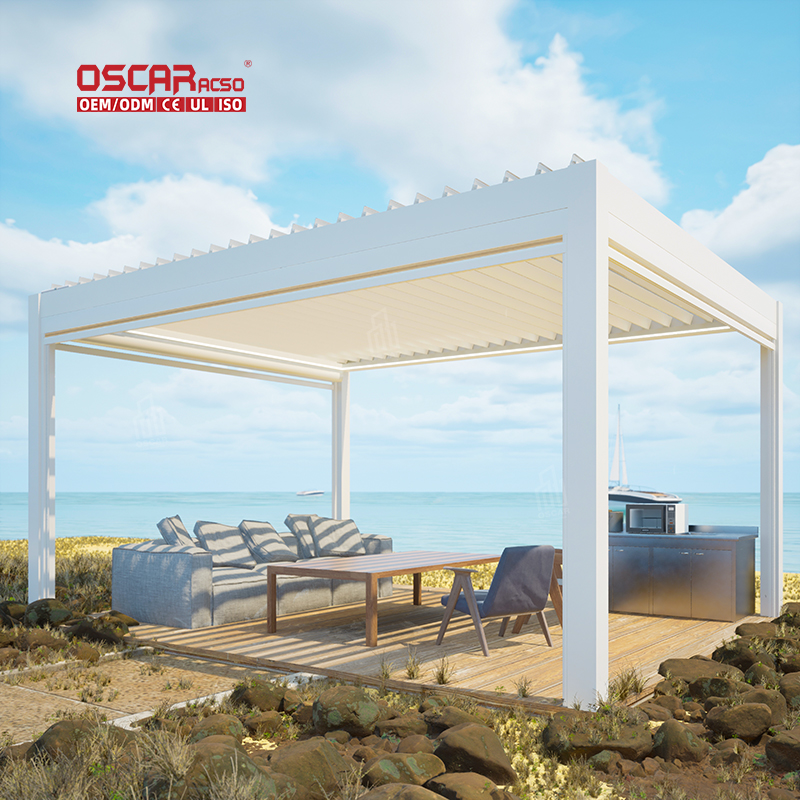
Slanted pergola brackets are angled metal or wooden connectors designed to support pergola rafters at a specific pitch. Unlike traditional right-angle brackets, their diagonal design allows for improved water runoff and adds a dynamic, modern visual appeal. They’re ideal for creating shaded areas that feel both open and architecturally intentional.
You might wonder, “How do they differ from standard brackets?”While typical brackets focus purely on function, slanted versions marry form and function, making them perfect for DIY enthusiasts and professionals aiming for a sleek, custom look.
🌟 Top Benefits of Using Slanted Brackets
- •
Enhanced Durability: The angled design distributes weight more effectively, reducing stress on joints and extending the lifespan of your pergola.
- •
Weather Resistance: By facilitating better drainage, these brackets help prevent water accumulation, which can lead to rot or corrosion.

- •
Aesthetic Flexibility: Available in materials like powder-coated steel, wrought iron, and weather-resistant wood, they complement various styles—from rustic to contemporary.
- •
Ease of Installation: Many designs come with pre-drilled holes and compatible hardware, making them accessible for DIY projects.
.jpg "slanted pergola brackets")
💡 Design and Material Considerations
Choosing the right bracket involves more than just picking what looks good. For longevity, consider:
.jpg "slanted pergola brackets")
- •
Material: Steel and aluminum offer strength and corrosion resistance, while wooden brackets provide a natural, integrated look.
- •
Finish: Opt for powder-coated or galvanized finishes to withstand UV exposure and moisture.
- •
Angle Precision: Ensure the slant angle (e.g., 10° to 30°) aligns with your pergola’s roof pitch for optimal performance.
🛠️ Installation Tips and Tricks
Installing slanted brackets doesn’t have to be daunting. Here’s a simplified approach:
- 1.
Measure and Mark: Determine the rafter spacing and bracket placement accurately.
- 2.
Pre-Drill Holes: This prevents wood splitting and ensures screws align perfectly.
- 3.
Secure Firmly: Use rust-resistant screws or bolts to attach brackets to beams and rafters.
- 4.
Check Level: Use a level to confirm the slant is consistent across all brackets.
Pro Tip: For larger pergolas, temporarily support rafters during installation to avoid misalignment.
✨ Innovative Uses Beyond Pergolas
While designed for pergolas, these brackets are versatile—try them for:
- •
Slanted garden trellises for climbing plants 🍃.
- •
Angled shade sails that require sturdy anchoring.
- •
Modern privacy screens with artistic geometric patterns.
.jpg "slanted pergola brackets")
Their adaptability makes them a favorite among designers pushing the boundaries of outdoor living.
💎 Why They’re Worth the Investment
Slanted pergola brackets might seem like a small detail, but they elevate entire projects. They offer long-term reliability and instantly upgrade aesthetics, making your space feel curated rather than cobbled together. For anyone serious about outdoor design, they’re a non-negotiable element.
As trends shift toward personalized, functional landscapes, these brackets represent how smart design choices can yield big impacts. So, next time you plan a pergola, think beyond the beams—focus on the brackets that hold it all together 🌈.