


🌤️ Imagine a structure that not only provides shade but also directs rainwater away effortlessly—that’s the magic of a slanted pergola! Unlike traditional flat-top designs, these angled canopies blend practicality with modern aesthetics. Why are they gaining popularity? Simply put, they solve common outdoor woes while elevating your space’s visual appeal.
🔍 What Exactly Is a Slanted Pergola?
A slanted pergola features a roof with a deliberate incline, often ranging from 5 to 15 degrees. This design isn’t just for looks—it enhances water runoff during rainstorms and allows for creative lighting or climbing plant arrangements. Whether attached to your home or freestanding, it transforms patios, decks, and gardens into functional retreats.
💡 Why Choose a Slanted Design?
- •
Superior Drainage: No more pooling water or debris buildup! The slope ensures rain slides right off, protecting furniture and wooden beams.
- •
Modern Aesthetic: Angular lines add dynamic visual interest, complementing contemporary architecture.
- •
Versatile Shade Control: Adjust the angle to block harsh midday sun or welcome softer evening light.
- •
Customization Potential: Pair with retractable covers, louvers, or integrated gutters for added functionality.
🌿 Material Matters: From Wood to Aluminum
Slanted pergolas shine across materials:
- •
Wood (e.g., cedar or redwood) offers natural warmth but requires maintenance.
- •
Metal (aluminum/steel) provides sleek durability and minimal upkeep.

- •
Vinyl is low-maintenance and ideal for humid climates.
Pro tip: Light-colored materials reflect heat, keeping your space cooler!
.jpg "pergola slanted")
.jpg "pergola slanted")
🏡 Blending Form and Function in Modern Homes
Homeowners today crave outdoor spaces that feel like extensions of their interiors. A slanted pergola supports this by:
- •
Creating defined zones for dining, lounging, or gardening.
- •
Allowing integration with LED string lights, heaters, or even outdoor speakers.
- •
Supporting climbing plants like wisteria or ivy for a touch of greenery.
⚠️ Installation Insights: What to Consider
Before building, ask:
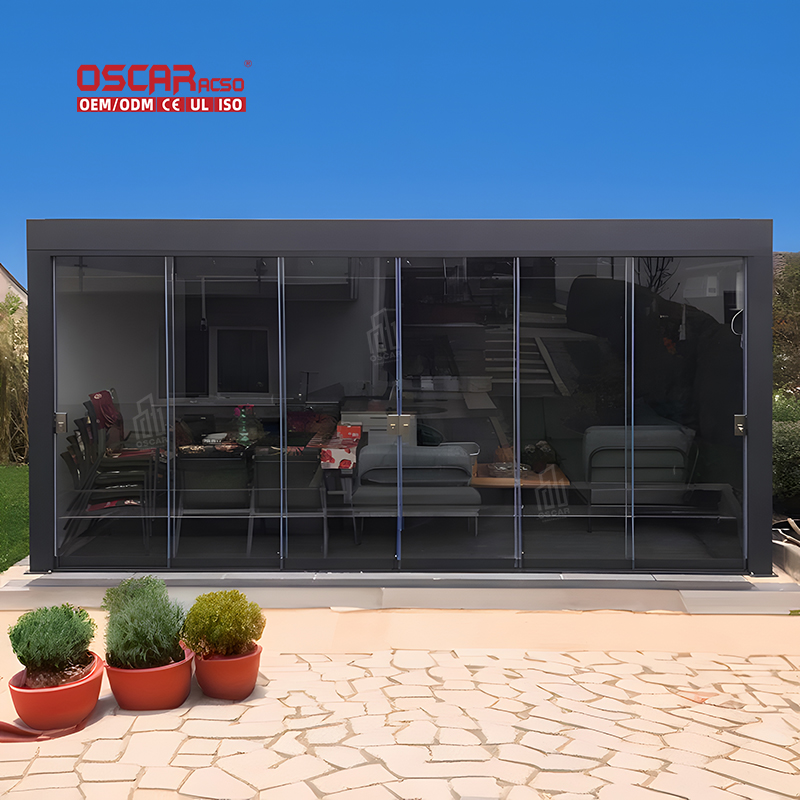
- •
Local climate: Steeper slopes suit rainier regions; gentler angles work for arid zones.
- •
Orientation: Angle the slope to maximize shade or sunlight based on your needs.
- •
Regulations: Check HOA rules or permit requirements—especially for attached structures.
.jpg "pergola slanted")
🌟 Beyond Basics: Creative Uses of Slanted Pergolas
- •
Greenhouse Hybrid: Use polycarbonate panels to create a semi-shaded growing space for plants.
- •
Privacy Screen: Combine with vertical slats or curtains to shield from neighbors.
- •
Outdoor Kitchen Cover: Protect grills and counters while venting smoke efficiently.
Let your pergola reflect your lifestyle—whether you’re a host, gardener, or quiet relaxation seeker!
💎 Final Thought: Embrace the Angle
Slanted pergolas aren’t just a trend; they’re a smart evolution in outdoor design. By merging drainage efficiency with stylistic flexibility, they prove that even small architectural twists can revolutionize how we enjoy our yards. So, next time you plan an upgrade, think beyond the flat top—tilt your vision toward the skies! 😊