

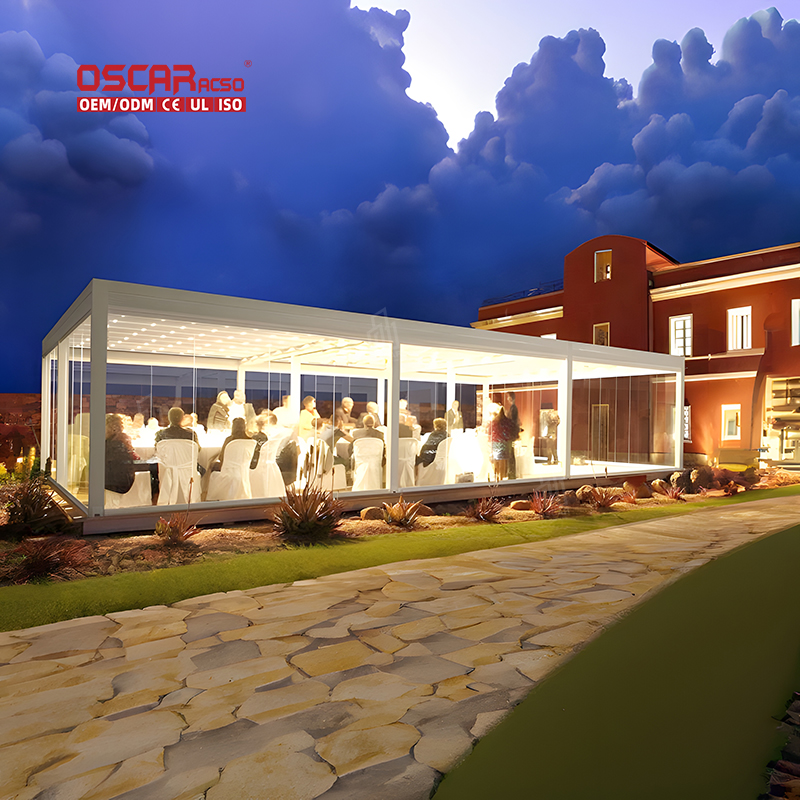
Imagine an outdoor structure that intuitively adjusts to the sun’s movement, creating a perfectly shaded, temperature-regulated oasis while cutting energy costs. This isn’t science fiction—it’s the reality of modern AI-powered bioclimatic pergolas 🌿. These systems blend cutting-edge technology with sustainable design, transforming patios, gardens, and commercial spaces into smart environments that respond to nature in real time.
.jpg "solar temperature controlled bioclimatic ai smart sun shade pergola gazebo pavilion outdoor motorized retractable louvered roof awning aluminum led")
🔍 What Makes These Structures “Smart”?
At their core, these systems rely on integrated sensors and AI algorithms that analyze weather data, solar angles, and microclimatic conditions. Using technologies like LONWORKS control networks, they calculate the sun’s position based on seasonal and hourly data, automatically adjusting louvered angles to optimize shade or allow sunlight. For example, on overcast days, louvers open fully to maximize natural light; on sunny days, they track the sun to block heat while permitting gentle ventilation. This isn’t just convenience—it’s a scientific approach to reducing indoor cooling loads by up to , since windows and doors are primary sources of energy loss in buildings.
⚙️ Engineering Excellence: Motorized & Retractable Design
The magic lies in the mechanics:
- •
Durable aluminum frames: Lightweight yet robust, resisting corrosion and supporting sleek designs.
- •
Motorized louvers: Silent, high-precision motors enable smooth rotation or retraction, controlled via apps, remotes, or voice assistants.

- •
Retractable roofs: Offer flexibility—open for stargazing or closed for rain protection.

These features are built for longevity and low maintenance, appealing to homeowners and businesses seeking both aesthetics and functionality.
🌱 Bioclimatic Benefits: Beyond Shade
Why “bioclimatic”? These structures emulate natural processes to enhance human comfort. By blocking UV and infrared radiation (which constitute 56% of solar heat), they maintain cooler temperatures without relying solely on AC. Moreover, they promote energy efficiency—shading windows can slash AC usage by half, making them a passive cooling solution aligned with sustainable architecture.
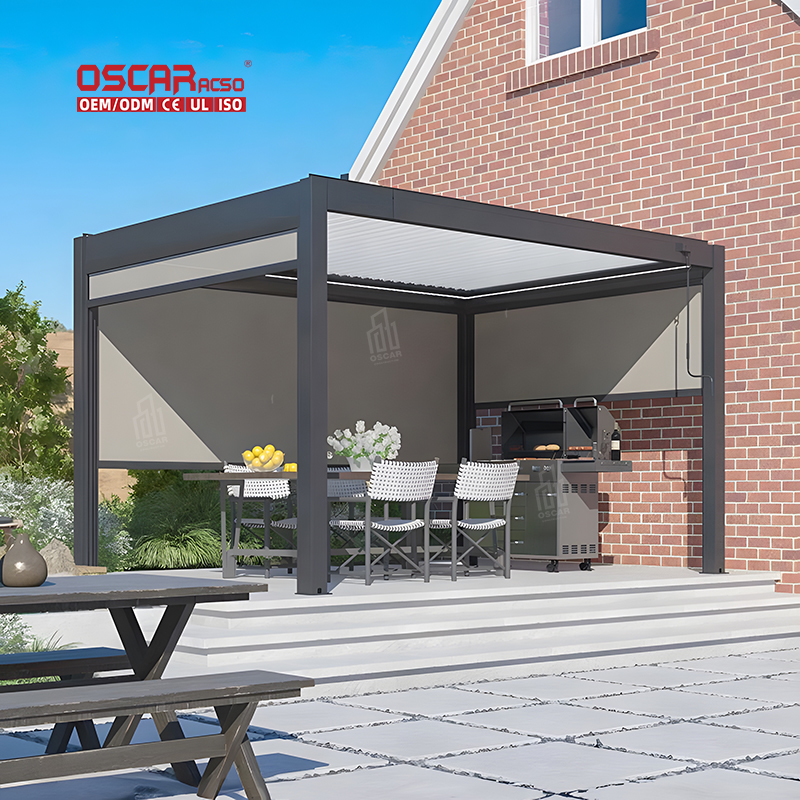
💡 LED Integration: Ambiance Meets Functionality
Embedded water-resistant LED lights extend usability into evenings, creating customizable ambiance for gatherings or quiet nights. LEDs are energy-efficient and long-lasting, complementing the system’s eco-friendly profile.
🤖 AI & Automation: The Brain Behind the Brawn
The true innovation is the AI control system. It processes real-time data from light, rain, and wind sensors to make proactive adjustments. For instance, if sudden rain is detected, louvers close automatically. Users can also set personalized schedules or preferences, ensuring the space adapts to their lifestyles. This automation isn’t just smart—it’s intuitive, learning from patterns to optimize comfort.
.jpg "solar temperature controlled bioclimatic ai smart sun shade pergola gazebo pavilion outdoor motorized retractable louvered roof awning aluminum led")
✨ Why This Matters for Future Living
In my view, these systems represent a shift toward adaptive, human-centric design. They’re not merely shade solutions but holistic ecosystems that merge sustainability, technology, and well-being. As climate challenges grow, such innovations offer practical ways to reduce carbon footprints while enhancing outdoor living.
For those considering investment, prioritize brands with proven expertise in motorization and climate-responsive engineering, such as those specializing in architectural shading solutions. The upfront cost is offset by long-term energy savings and unparalleled comfort.