

🌞 What is a Solar Panel Pergola?

A solar panel pergola is an innovative structure that combines the traditional shade function of a pergola with integrated photovoltaic panels, transforming outdoor spaces into renewable energy generators. Unlike conventional pergolas, it serves a dual purpose: providing comfortable shade while harnessing sunlight to power homes or appliances. Why is this design gaining popularity? It addresses space constraints by utilizing underused areas like patios or gardens, turning them into productive assets. From my perspective, this fusion of aesthetics and utility represents a smart evolution in sustainable architecture, especially for urban environments where every square meter counts.
🎨 Aesthetic Design Principles and Material Choices
.jpg "solar panel pergola design")
When designing a solar pergola, aesthetics must harmonize with functionality. Key considerations include:
- •
Color and Texture: Photovoltaic materials come in shades like deep blue (crystalline silicon) or gray/brown (thin-film), which can be complemented by natural wood, metal, or glass accents to create visual balance.

- •
Material Pairings: For a cohesive look, pair panels with materials like brushed aluminum for a modern vibe or cedar wood for warmth. Avoid clashes—e.g., cold metallic panels may contrast harshly with rustic wood unless intentionally styled.
- •
Form and Layout: Use modular panels arranged in grid patterns or curved shapes (for flexible thin-film) to achieve unique textures. Why does this matter? Strategic design prevents the structure from appearing bulky or out of place, ensuring it blends with garden landscapes.
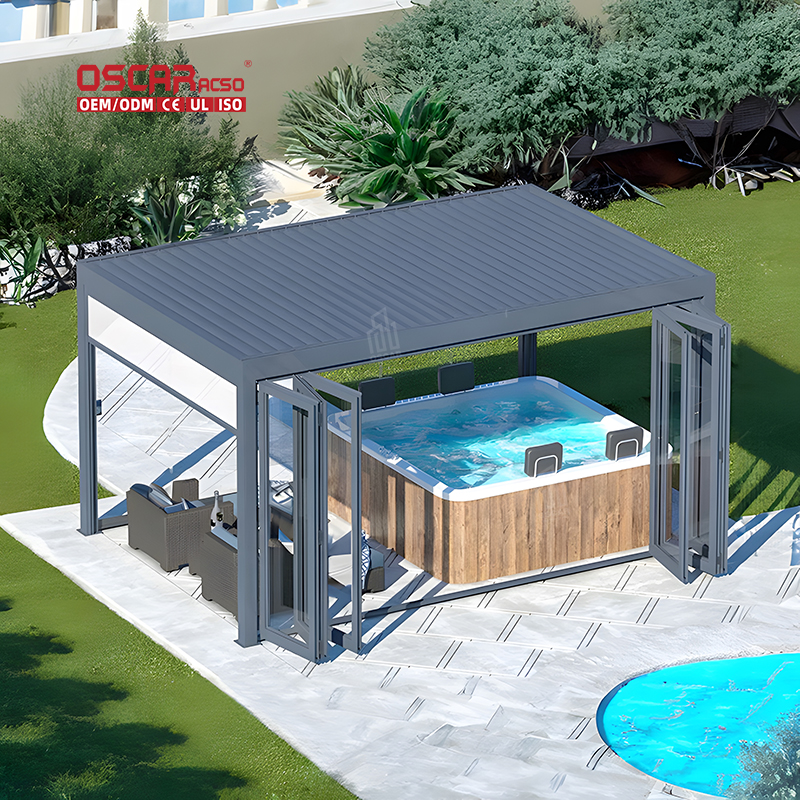
Personal insight: I advocate for semi-transparent panels that create playful light-shadow effects, adding dynamism to outdoor gatherings.
⚡ Functional Advantages: More Than Just Shade
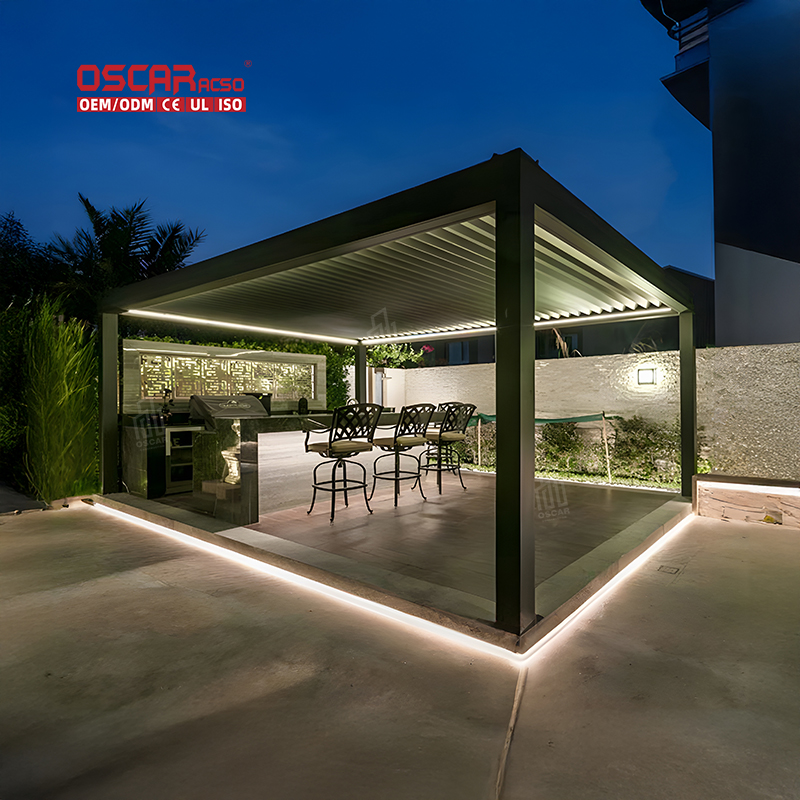
Solar pergolas offer tangible benefits beyond aesthetics:
• Energy Independence: A typical 10×12 ft structure can generate 2-4 kW daily—enough to offset household electricity costs by 30-.
• Weather Protection: The roof shields against UV rays and rain, extending the lifespan of outdoor furniture.
• Eco-Friendly Impact: By reducing grid reliance, each unit can cut carbon emissions by 3-5 tons annually.
A common question: What about efficiency in cloudy climates? Advanced bifacial panels capture reflected light, maintaining performance even on overcast days. In my experience, integrating battery storage amplifies these benefits, allowing energy use during peak hours.
🔧 Installation and Practical Considerations
Successful implementation hinges on:
- •
Site Assessment: Ensure south-facing orientation (in the Northern Hemisphere) with a 15-40° tilt for optimal sun exposure. Avoid tree shading—a pitfall noted in some projects where poor planning rendered systems ineffective.
- •
Structural Safety: Use galvanized steel frames for durability and concrete footings for stability.
- •
Maintenance Access: Design for easy cleaning of panels and wiring checks.
Pro tip: Collaborate with certified installers to navigate local regulations—a step often overlooked in DIY attempts.
🚀 Future Trends and a Striking Statistic
Innovations are pushing boundaries:
- •
Smart Integration: IoT-enabled systems that adjust panel angles based on weather forecasts.
- •
Green Synergy: Combining solar roofs with climbing plants for natural cooling.
- •
Localized Production: As seen in Nigeria’s push for domestic solar manufacturing, regional supply chains may reduce costs and boost accessibility.

Did you know? Global solar pergola installations surged by 200% in 2023-2024, signaling a shift toward multi-functional renewable solutions. My prediction: within a decade, these structures will become standard in eco-conscious homes.