

.jpg "solar pergola dome")
Imagine a structure that shades your patio ☀️, generates clean electricity ⚡, and becomes the architectural centerpiece of your garden—all in one stunning package. That’s exactly what a solar pergola dome offers. This isn’t just an upgrade; it’s a complete reimagining of how we use our outdoor spaces. By merging elegant design with cutting-edge solar technology, these domes provide a powerful, self-sustaining oasis right in your backyard. Let’s explore how this innovative concept can transform your home and lifestyle.
What Is a Solar Pergola Dome? 🤔
A solar pergola dome is a graceful, arched structure that combines the classic appeal of a pergola with the functional benefits of integrated solar panels. Unlike traditional flat-panel solar installations, the dome design often features a curved or louvered roof equipped with photovoltaic cells. This allows it to capture sunlight from multiple angles throughout the day, maximizing energy generation while providing shelter and style.
But why choose a dome shape? The curvature isn’t just for looks—it can enhance structural strength, improve rain runoff, and create a unique, modern aesthetic that stands out in any garden. It’s a statement piece that says you care about design andsustainability.
✨ Why a Solar Pergola Dome is a Game-Changer
Homeowners are increasingly drawn to these structures for several compelling reasons:
• Dual-Purpose Design: It’s more than just shade; it’s an energy-generating asset. You can enjoy your outdoor space while simultaneously powering your home, reducing reliance on the grid and lowering electricity bills.
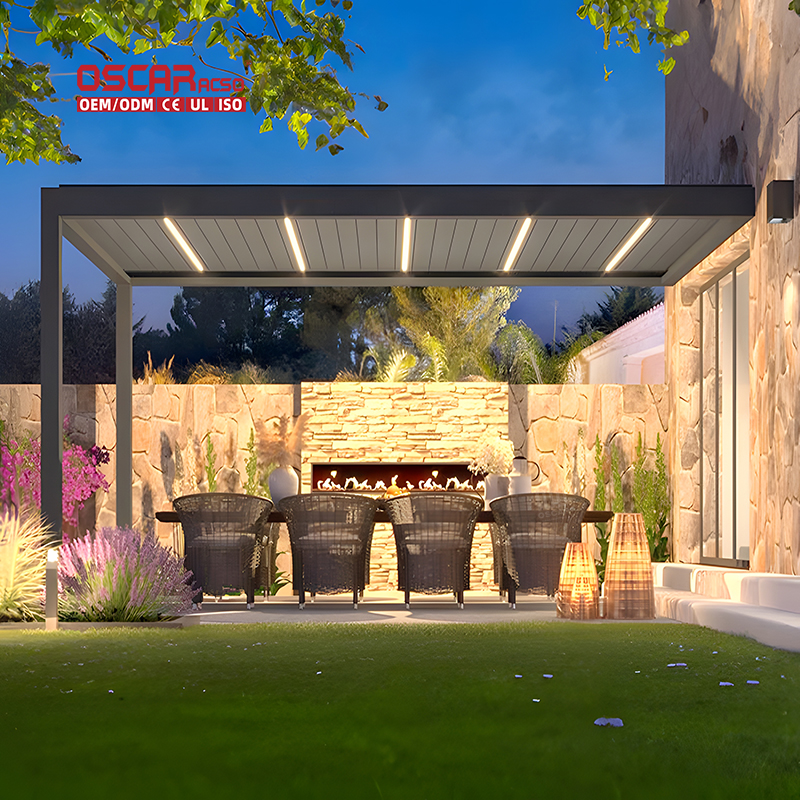
• Ideal for Unsuitable Roofs: If your home’s roof isn’t optimal for solar panels due to orientation, shading, or structural concerns, a pergola dome offers a versatile and efficient alternative.
• Increased Property Value: Homes with solar features often see a boost in market appeal. Buyers appreciate the combination of aesthetic appeal and long-term energy savings.
• Eco-Friendly Living: By generating clean energy, you’re directly reducing your carbon footprint. It’s a tangible step towards sustainable living that benefits both your household and the planet.
• Low Maintenance: Solar panels generally require minimal upkeep, and when integrated into a well-built structure, the entire system is designed for durability and ease of use.
✨ Key Design & Technical Considerations
Before investing, it’s essential to understand the factors that influence functionality and efficiency:
• Structural Integrity: Solar panels add weight (typically 2–3 lbs per square foot). Ensure your dome’s framework—often aluminum or reinforced timber—is engineered to support this load, especially if retrofitting an existing structure.
• Optimal Orientation: For maximum energy harvest in the Northern Hemisphere, the solar surface should ideally face south. The tilt angle should be roughly equal to your latitude, usually between 30° and 45°.
• Solar Technology Choice: Bifacial solar panels, which generate power from both sides, are a premium choice for pergolas. They capture direct sunlight from above and reflected light from below, boosting overall efficiency. Microinverters are also recommended for outdoor setups, as they optimize each panel’s output, especially in partially shaded conditions.
• Weather Resistance: Look for features like a high IP67 waterproof rating, robust wind resistance (some can withstand 180–220 km/h winds), and adequate snow load capacity. Integrated drainage systems are a valuable feature to prevent water pooling.
• Smart Integration: Many modern domes come with motorized louvers that can be adjusted remotely or automatically via rain sensors. Integrated LED lighting and connectivity for smart home systems add convenience and ambiance.
✨ Standout Product Features to Look For
The market offers a range of options with exciting features:
• Motorized Louvered Roofs: Adjust the roof slats to control sunlight, ventilation, and shade with a remote or smartphone app. Some models close automatically at the first sign of rain.
• Built-In Rainwater Management: Hidden drainage channels within the pillars efficiently divert water away, keeping your patio dry and clean.
• Plug-and-Play Solar Kits: Some companies offer kits with panels, inverters, and battery storage designed for DIY enthusiasts, making the process more accessible.
• Aesthetic Customization: Choose from various finishes like powder-coated aluminum in anthracite gray, wood-textured effects, or custom RAL colors to match your home’s style.
✨ Cost Insights & Investment Value
A solar pergola dome is an investment with significant long-term returns:
• Upfront Costs: The price varies based on size, materials, and technology. A DIY setup might range from 3,000to8,000, while professional installations with high-end materials and automation can be higher.
• Solar Panel Costs: Individual PV panels can range from 200to500 each, depending on their output and technology (e.g., monocrystalline is high-efficiency).
• Financial Savings: A well-sized system can generate substantial energy—some examples estimate around 6,000 kWh per year, potentially saving up to $2,000 annually on electricity bills. Participation in net metering programs can further enhance savings by allowing you to sell excess power back to the grid.
• Long-Term Value: Beyond savings, the combination of enhanced property value, energy independence, and environmental benefits makes it a financially and ethically smart choice.
✨ Installation: DIY vs. Professional Help
Your approach to installation depends on your skills and the project’s complexity:
• DIY Path: If you’re experienced, a DIY kit can be rewarding. You’ll need tools like a power drill, saw, level, and post-hole digger. The process involves setting posts in concrete, assembling the frame, mounting panels, and handling electrical connections. Always check local regulations regarding permits and electrical work.
• Professional Installation: For most homeowners, hiring experts is advisable. They ensure optimal placement, secure structural integrity, handle complex wiring, and often provide warranties. Many companies offer full service, from design to electrical commissioning.

✨ My Personal Take: Why This is More Than a Trend
Having explored numerous outdoor solutions, I believe the solar pergola dome represents the future of residential design. It’s a brilliant response to modern needs: a desire for sustainability, a love for outdoor living, and the pursuit of energy resilience.
The true genius lies in its multifunctionality. It’s not a single-use item. It’s a shelter, a power plant, an entertainment space, and a garden feature all in one. The initial investment, while notable, is offset by its myriad benefits. In an era of fluctuating energy costs, generating your own power provides a unique sense of security.
.jpg "solar pergola dome")
For those concerned about aesthetics, fear not. Modern designs are sleek and customizable, far from the clunky solar setups of the past. They enhance your garden’s beauty while silently working to power your home.
✨ The Future is Integrated and Intelligent
The evolution of these structures is leaning towards deeper integration and smarter control. We’re seeing developments in:
- •
Built-in battery storage for energy use day and night.
- •
Advanced solar coatings that blend seamlessly into various materials.
- •
AI-powered systems that optimize energy production based on weather forecasts and usage patterns.

- •
Full smart home integration, allowing you to manage everything from lighting to louver angles with voice commands or automated schedules.
.jpg "solar pergola dome")
The solar pergola dome is more than a product; it’s a platform for a smarter, more sustainable lifestyle. As technology progresses, these structures will only become more efficient, affordable, and indispensable to the eco-conscious homeowner.