

.jpg "pergola gazebo with solar panel roof")
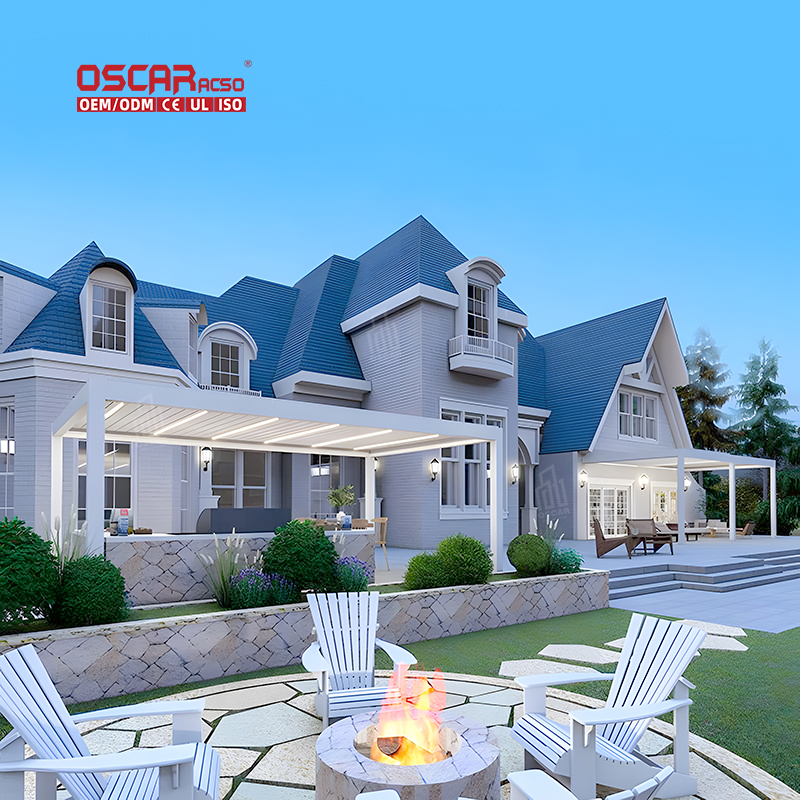
Imagine a structure in your backyard that not only provides shade and aesthetic appeal but also harnesses the sun’s power to run your outdoor lights and even contribute to your home’s energy needs. This is the reality of a solar panel roof pergola gazebo, a brilliant fusion of traditional outdoor living and modern, sustainable technology. 🌞
✨ What Exactly Is a Solar Pergola Gazebo?
A solar pergola gazebo is an outdoor structure, typically with an open or semi-open roof, that integrates solar panels directly into its design. Unlike traditional pergolas or gazebos that merely offer shade and shelter, this innovative setup transforms your patio, garden, or backyard into a personal power generator. It’s designed to provide a comfortable outdoor space for relaxation and gatherings while simultaneously converting sunlight into electricity. This electricity can power integrated LED lights, outdoor speakers, or even be fed back into your home’s grid.
🌟 Key Features and Benefits: Why Go Solar?
The appeal of a solar pergola gazebo lies in its multifaceted benefits. It’s more than just a pretty structure; it’s a functional investment.
- •
Sustainable Energy Generation: The primary advantage is its ability to generate clean, renewable energy. This can reduce your reliance on the grid and lower your electricity bills. For instance, some systems can power LED lights for several hours after a full charge.
- •
Enhanced Outdoor Ambiance: Many models, like the Outsunny pergola, come with solar-powered LED strips integrated into the top bar. These create a warm, inviting atmosphere for evening entertainment, eliminating the need for external power sources or complicated wiring.
- •
Adjustable Shade and Protection: These structures often feature flexible shade control. For example, many have a PA-coated fabric roof with panels that slide and adjust independently. This allows you to customize your sun protection throughout the day. Additionally, some designs incorporate corrugated plastic roofing or metal louvers that offer robust protection from the elements while allowing light to filter through.

- •
Financial Incentives: A significant incentive is the potential for government tax credits. In the United States, solar pergolas and other solar panel support structures may be eligible for federal investment tax credits (ITCs), which can cover a percentage of the cost, making the investment more attractive.
.jpg "pergola gazebo with solar panel roof")
🔋 How Does the Solar Power System Work?
Understanding the technology behind these structures helps appreciate their value. The system typically includes:
.jpg "pergola gazebo with solar panel roof")
- •
Solar Panels: Mounted on the roof of the pergola. They capture sunlight and convert it into direct current (DC) electricity.
- •
Charge Controller & Battery: The generated electricity is regulated by a charge controller and often stored in a rechargeable battery (e.g., a 2000mAh, 3.7V battery as seen in some models). This stored energy allows for power usage after sunset, such as for those ambient LED lights.
- •
Inverter: If the goal is to power standard household appliances or feed electricity back into the grid, an inverter is needed to convert the DC electricity into alternating current (AC).
.jpg "pergola gazebo with solar panel roof")
The solar panel usually requires several hours in the sun for a full charge but can then provide power for multiple hours, making it ideal for evening use.
🛠️ Installation and Important Considerations
Adding a solar pergola to your yard requires some planning. Here are key factors to ponder:
- •
Structural Integrity and Weight: The most crucial step is ensuring your structure can support the solar panels. Most pergolas can support 10 solar panels, with each panel typically weighing between 30 to 50 pounds. The frame, often made of powder-coated aluminum or sturdy steel, must be robust enough to handle this additional load and withstand weather.
- •
Sun Exposure and Orientation: For optimal energy production, the pergola should be installed in a location with maximum sun exposure. The angle of the panels is also critical; a tilt of 30-45 degrees is often recommended for efficient energy capture.
- •
Retrofitting vs. New Build: You can either retrofit an existing sturdy pergola or build a new one specifically designed for solar panels. Retrofitting requires careful assessment of the existing structure’s strength and potentially modifying it to achieve the optimal panel angle.
- •
Professional Assistance: While DIY is possible for the skilled handyperson, consulting with a professional is advisable for the electrical integration and ensuring the structure’s stability and safety.
💡 Creative Design Ideas for Your Solar Oasis
Your solar pergola doesn’t have to be purely utilitarian. It can be a stylish centerpiece in your garden.
- •
Modern Louvered Roof: Install an adjustable louvered roof system. You can control the amount of sunlight and ventilation with a simple adjustment, blending modern technology with ultimate comfort.
- •
Rustic Bamboo Accents: Combine the high-tech solar panels with the natural look of bamboo roll-up blinds or reed fencing on the sides. This creates a interesting contrast and enhances the tropical vibe.
- •
Living Green Roof: For a truly ecological approach, encourage climbing plants like wisteria or grapevines to grow around the structure. This creates a lush, natural shade solution that works in harmony with the solar technology.
- •
Integrated Lighting and Furniture: Complete the look with solar-powered outdoor lanterns and weather-resistant wicker furniture to create a cohesive and inviting outdoor room.
💰 Understanding Costs and Potential Savings
The initial investment in a solar pergola gazebo can vary. A basic model with integrated solar lighting might start around a few hundred dollars, while a larger, more robust structure designed for significant energy generation will cost more. The average cost for adding solar panels to a pergola can range from £2,108 to £3,513.
However, it’s vital to view this as a long-term investment. The potential savings on your electricity bills, coupled with the 30% federal solar tax credit available in the United States (subject to specific conditions), can significantly improve the return on investment. Furthermore, by generating your own clean power, you’re also insulating yourself from future rises in utility costs.
🎯 The Bottom Line: Is a Solar Pergola Gazebo Right for You?
If you’re looking for a way to enhance your outdoor living space, reduce your carbon footprint, and potentially save on energy costs, a solar pergola gazebo is a compelling option. It’s a perfect solution for those who want to make a stylish and sustainable statement in their backyard.
The future of outdoor living is not just about comfort; it’s about integration and intelligence. By choosing a structure that gives back, you’re investing in a greener, more self-sufficient lifestyle. So, why just sit in the shade when you can generate power from it?