

.jpg "solar powered pergola")
Imagine enjoying your outdoor space while simultaneously powering your home with clean, renewable energy. 🌞 This dual-purpose dream becomes reality with solar powered pergolas—innovative structures that blend shade, style, and sustainability seamlessly into your backyard or patio.
What Exactly is a Solar Powered Pergola?
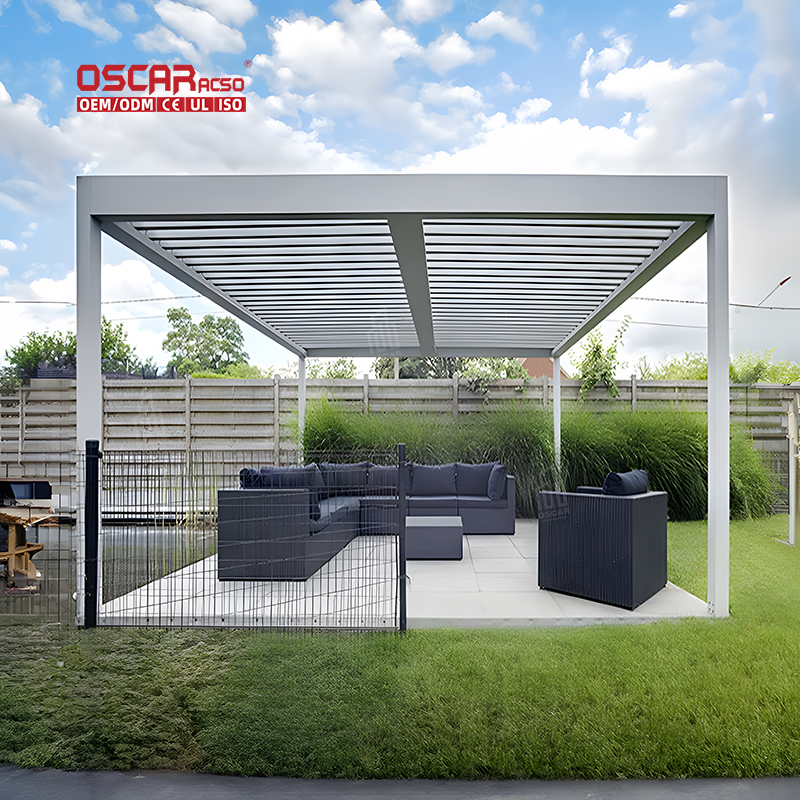
A solar powered pergola is an outdoor structure designed with integrated solar panels. Unlike traditional pergolas that merely provide shade, these systems generate electricity by harnessing sunlight. They can be freestanding or attached to your home, often featuring adjustable louvers or fixed panels. The electricity produced can power outdoor lighting, appliances, or even feed into your home’s grid—slashing energy bills and reducing carbon footprints. It’s a roof-free solution perfect for homes with unsuitable roofs or those avoiding structural modifications .
Why Choose a Solar Pergola? Key Benefits Unveiled
✨ Energy Independence & Savings: By generating your own electricity, you rely less on the grid. Over time, this can lead to significant savings on utility bills. Some systems even allow net metering, letting you earn credits for excess energy sent back to the grid .
✨ Eco-Friendly Lifestyle: These pergolas reduce reliance on fossil fuels, lowering your carbon footprint. They transform unused outdoor spaces into clean energy hubs—perfect for environmentally conscious homeowners .
✨ Enhanced Outdoor Comfort: Beyond energy generation, they provide shade and shelter. Models with adjustable louvers let you control sunlight and ventilation, while integrated LED lighting creates ambiance for evening gatherings .
✨ Aesthetic Appeal & Property Value: Solar pergolas modernize outdoor spaces with sleek designs. Brands like Aptos and Q CELLS offer bifacial panels that look stylish while boosting efficiency. This upgrade can increase your home’s resale value .
✨ Low Maintenance Durability: Constructed from materials like rust-proof aluminum or weather-resistant wood, these structures require minimal upkeep. Periodic panel cleaning ensures optimal performance, and many come with extended warranties .
How Do Solar Pergolas Work? The Technology Explained
Solar pergolas use photovoltaic (PV) panels mounted on the structure’s roof. These panels capture sunlight and convert it into direct current (DC) electricity. Microinverters then transform DC into alternating current (AC), compatible with home appliances. For off-grid use, batteries store excess energy, but most systems connect to the grid for net metering .
Smart features elevate functionality:
- •
Automatic Sensors: Some models, like the Sparta pergola, include rain sensors that close louvers during precipitation, protecting furniture and occupants .
- •
Voice & Remote Control: Adjust louvers or lighting via wireless remotes or voice commands for effortless customization .
- •
Solar Charging & Backup: Integrated batteries charge via solar panels, with backup USB cables ensuring operation during low-sun periods .
Design Ideas to Inspire Your Solar Pergola Project
From minimalist to Mediterranean, solar pergolas adapt to any style:
- •
Modern Minimalist: Opt for powder-coated aluminum frames in black or silver, paired with bifacial panels for a sleek look .
- •
Rustic Charm: Use reclaimed wood beams with matte-finish panels for a farmhouse vibe. Add climbing vines like jasmine for natural shade .
- •
Entertainment Hub: Incorporate built-in seating, LED string lights, and retractable canopies for hosting gatherings .
- •
Multi-Functional Spaces: Combine with outdoor kitchens or bars—perfect for cooking with solar-powered appliances .
For urban settings, consider corrugated designs that increase light absorption through textured surfaces . Public spaces, like bus stations in the Netherlands, even use large-scale solar pergolas to power digital signage and lighting .
Critical Considerations Before Installing One
- •
Structural Requirements: Pergolas must support panel weight (35–70 lbs per panel). Existing structures may need reinforcement, while new builds can be designed for load-bearing .
- •
Sun Exposure & Orientation: For peak efficiency, panels should face south (in the U.S.) at a 30°–45° angle. Avoid shaded areas .
- •
Material Choices: Aluminum is low-maintenance and rust-proof; wood offers classic aesthetics but requires sealing. Flexible thin-film solar panels work well for curved designs .
- •
Cost & Incentives: While initial costs are higher than traditional pergolas, government incentives for solar energy may offset expenses. Long-term savings add up .

- •
Local Regulations: Check zoning laws and building codes. Some regions restrict heights or require permits .
.jpg "solar powered pergola")
.jpg "solar powered pergola")
Real-World Applications: Beyond Residential Backyards
Solar pergolas aren’t just for homes! They’re revolutionizing public and commercial spaces:
- •
Public Infrastructure: In Tilburg, Netherlands, a bus station uses a 250m² solar pergola to power lighting, digital signs, and employee facilities .
- •
Hospitality Venues: Restaurants and cafes use them to shade patios while powering outdoor kitchens and lighting.
- •
Parking Lots: Corrugated solar pergolas provide vehicle shade and generate electricity for EV charging stations .

The Future: Smart Integration & Energy Storage
Innovations are rapidly evolving. We’ll see more integrated储能 systems using batteries like Tesla Powerwall, storing solar energy for night use. AI-driven adjustments will optimize panel angles based on weather forecasts, and modular designs will allow homeowners to expand systems gradually . As solar efficiency improves, these pergolas will become standard in sustainable architecture—blending functionality with eco-conscious living.
Solar powered pergolas are more than a trend; they’re a practical step toward energy independence. By investing in one, you’re not just enhancing your outdoor space—you’re contributing to a greener future. 🌍