


A homeowner in Holmes Beach, Florida, experienced every DIY enthusiast’s nightmare: a stop work order on their beautiful, newly built freestanding pergola. The reason? It lacked a permit with a civil engineer’s stamp certifying it could withstand the local wind load requirements, specifically for 150 mph winds 😳. This scenario underscores a critical aspect of outdoor construction that is often overlooked: merely building a structure isn’t enough; it must be engineered for safety and compliance.
This article delves into the world of building pergolas capable of withstanding extreme winds, a vital consideration for safety and longevity.
Understanding the 150mph Wind Challenge 🌪️
Constructing a pergola that can endure 150 mph winds is a significant engineering feat. This isn’t just about a strong gust but about withstanding forces comparable to those in a major hurricane. The primary challenge is managing the wind load, which can exert immense upward (uplift) and lateral pressure on the structure. A standard garden-variety pergola, without proper engineering, would be highly vulnerable to catastrophic failure under these conditions.
Key questions to consider:
- •
Why is wind resistance so crucial? It’s fundamentally about safety. A structural failure during a storm can lead to property damage, injury, or worse.
- •
What does 150mph wind feel like? It’s an extremely dangerous force that can cause widespread destruction. Well-built framed homes may sustain severe damage, and trees risk being snapped or uprooted.
Blueprint for Resilience: Design & Materials 🛠️
Creating a wind-resistant pergola hinges on a foundation of robust design and appropriate materials.
➤ Material Selection is Key
The choice of material profoundly impacts strength and durability.
- •
Aluminum: A top contender for high-wind areas. It’s lightweight yet strong, and when powder-coated, it offers excellent corrosion resistance. Some high-quality, bioclimate pergolas made from powder-coated aluminum are explicitly rated for specific wind loads.

- •
Treated Wood: Traditional woods like cedar or redwood are popular for their natural beauty but require meticulous engineering and connection detailing for high winds. Pressure-treated pine is a more cost-effective option but needs regular maintenance to prevent weather damage.
- •
Structural Integrity: Regardless of material, beams and posts must be of sufficient size. For wooden structures, common minimums include 4×4 inch posts and 6×2 inch beams, though requirements will scale with the pergola’s size and specific wind load calculations.
.jpg "pergola 150mph")
.jpg "pergola 150mph")
➤ The Non-Negotiable: Professional Design & Engineering
This is not a DIY project for an amateur. Engaging a licensed structural or civil engineer is absolutely essential. They will perform precise calculations for:
- •
Wind Load: Determining the exact force the pergola must resist.
- •
Footing Depth and Size: Specifying how deep and wide the concrete foundations need to be to anchor the structure securely. This often means digging holes 2-3 feet deep (or deeper, depending on local frost lines and soil conditions) and setting posts in concrete.
- •
Connection Details: specifying exactly how each joint and beam should be connected, often requiring heavy-duty galvanized steel brackets and bolts (like the mentioned 10-inch carriage bolts).
The Critical Role of Permits and Codes 📜
Building codes and permits are not mere bureaucratic hurdles; they are the codification of safety standards. Ignoring them can lead to costly mistakes, as the Florida homeowner discovered.
- •
Local Regulations Vary: Standards for height, setback from property lines, and structural requirements differ by municipality. Always consult your local building department first.
- •
The Permit Process: A engineer-stamped drawing is frequently required to obtain a building permit for a permanent structure like a pergola, especially in high-wind zones. This drawing proves the design complies with local codes.
- •
Professional Guidance: When in doubt, consulting with an architect or contractor familiar with local laws is invaluable for navigating the permit process smoothly.
Beyond the Build: Safety and Maintenance 🔍
A well-built pergola requires ongoing attention to remain safe.
✔️ Regular Inspections are Crucial
Routinely check your pergola for signs of wear, especially after severe weather events. Look for:
- •
Loose or corroded bolts and fasteners (tighten or replace as needed).
- •
Cracks or rot in wooden beams.
- •
Any signs of movement or instability in the foundations.
✔️ Safe Installation of Features
If adding electrical elements like lighting or motorized louvers for a bioclimate design:
- •
Always hire a licensed electrician for all wiring.
- •
Ensure all outlets are weatherproof and GFCI-protected for safety.
Innovations in Wind-Resistant Pergola Design 💡
Modern pergola design isn’t static. Innovations are continually emerging to enhance strength and functionality.
- •
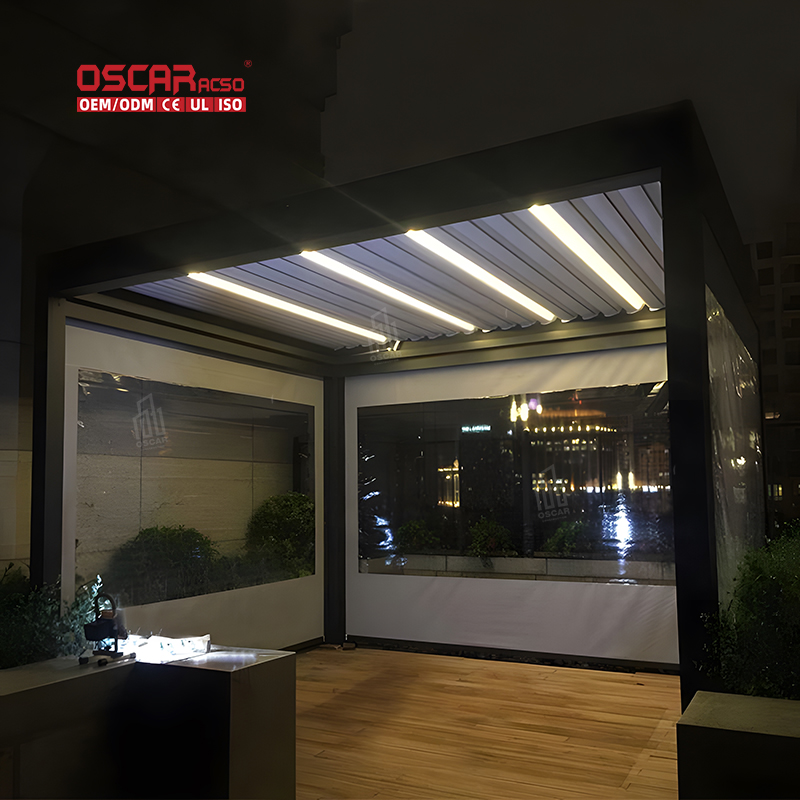
Bioclimatic Pergolas: These feature adjustable louvers that can be opened or closed with a remote control. A key safety advantage is the ability to open the louvers vertically during snowfall to prevent snow accumulation, a principle that can also help reduce wind load by allowing air to pass through more easily.
- •
Integrated Drainage Systems: High-quality pergolas often include built-in water management systems to handle rain during storms, preventing water weight and potential leakage issues.
- •
Rated Structures: Some manufacturers now provide official wind load ratings for their products (e.g., tested to withstand 90 km/h winds), bringing a much-needed level of certified performance to the market.
.jpg "pergola 150mph")
Personal Insight: While the initial cost and effort of building a 150mph-rated pergola are significant, the payoff is immense. It’s not just about having a shade structure; it’s about creating a guaranteed safe haven in your backyard. You gain peace of mind knowing your outdoor living space is built to last, protecting your family and investment against the elements for years to come. This transforms the pergola from a simple luxury into a resilient, long-term asset for your home.