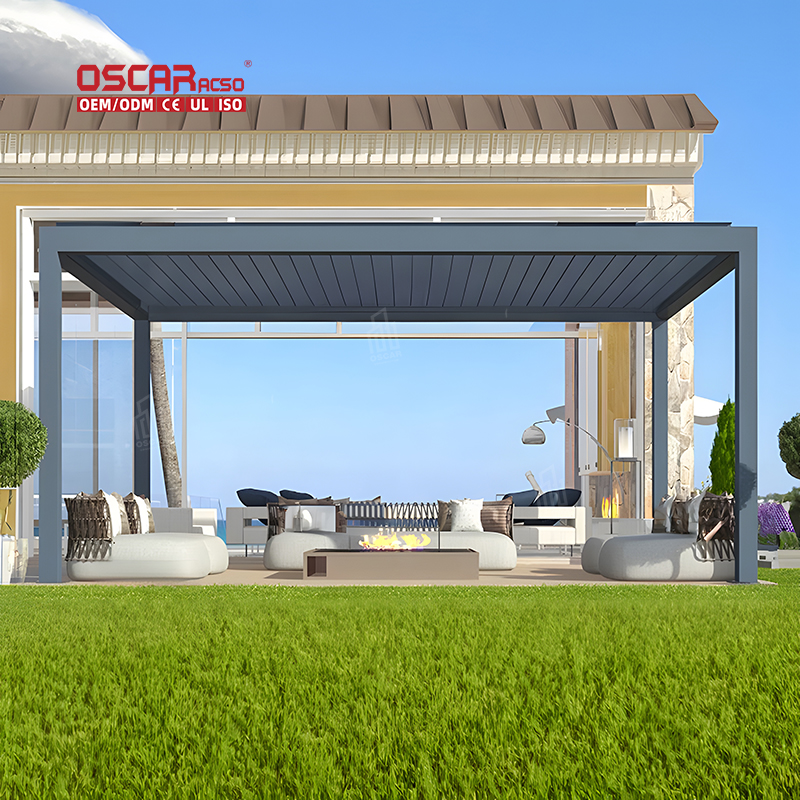
Curious about what a pergola actually looks like? It’s one of the most recognizable outdoor structures, but its details make it stand out. Let’s break down its key traits and styles!
1. Core Features That Define a Pergola 🛠️
A pergola has distinct parts that set it apart from patios, arbors, or gazebos. Here’s what you’ll always see:
- Open Roof: Unlike a gazebo’s solid roof, a pergola has a grid of wooden or metal beams (called rafters) and crossbeams. It lets sunlight filter through while offering partial shade.
- Support Columns: Typically 4–6 thick columns (wood, aluminum, or vinyl) hold up the roof. They’re evenly spaced, creating a rectangular or square frame—no walls, ever!
- Elevated Design: The roof sits 8–10 feet high, so you can walk under it easily. Some have decorative cuts on the beam ends for extra style.Wait, is a pergola just a “roof with columns”? Basically yes—but that simplicity is what makes it so versatile!
2. Common Materials & Their Visual Vibe 🪵🔩
The material changes a pergola’s look drastically. Here are the most popular options and their aesthetics:
- Wood: Cedar or redwood gives a warm, rustic feel. It ages to a soft gray over time, blending with gardens. My favorite—wood pairs perfectly with climbing roses or ivy wrapped around columns.
- Aluminum: Sleek and modern, with a metallic sheen. It’s often painted black or bronze, fitting contemporary homes. No splinters or rot, just a clean look.
- Vinyl: Bright white or beige, with a smooth finish. It has a classic, low-maintenance vibe—great for cottage-style yards.
- Combination: Metal columns with wooden rafters? Yes! This mixes modern and rustic, perfect for eclectic spaces.
3. Popular Styles to Spot 🏡🌿
Pergolas adapt to any home style. Here’s how they look in different designs:
- Traditional: Wooden columns with curved tops, and thick rafters. Often matches a home’s porch columns for cohesion.
- Modern: Slim aluminum columns, thin rafters, and a minimalist grid. No extra decor—just clean lines.
- Bohemian: Distressed wood, uneven beam spacing, and draped with string lights or macramé. Looks cozy and free-spirited.
- Mediterranean: Stone columns and dark wooden beams. Pairs beautifully with tile floors underneath and citrus trees nearby.
4. How Pergolas Look in Real Yards 📸
Pergolas aren’t one-size-fits-all—they fit into spaces in unique ways:
- Over a Patio: Most sit directly on a concrete or deck patio, framing dining sets or sofas. The columns anchor to the patio for stability.
- Freestanding in a Garden: A small 8×10-foot pergola in a flower bed becomes a focal point—add a bench under it for a quiet nook.
- Attached to a Home: One side of the pergola connects to a house wall, extending the living space outdoors. The columns only go on the other three sides.
Final Thought: The Pergola’s “Secret Sauce” 🌟
What makes a pergola’s look so appealing? It’s the balance of openness and structure. According to landscape designers, pergolas are the most requested outdoor structure because they “feel like an outdoor room without closing off nature.” My take—their open roof is key: it lets you enjoy the sun, stars, and rain (lightly!) while still feeling “enclosed” enough to relax. You’ll never confuse a pergola with another structure once you notice that grid roof and column frame!