

Step 1: Plan Smart—Start With Purpose & Permits 📝
Before grabbing a hammer, ask yourself: What will my pergola be used for? Will it shade a dining set, frame a garden view, or cover a poolside lounge? This answer shapes every choice, from size to location.
Next, don’t skip permits! Many areas require approval for outdoor structures over a certain square footage. My take? Skipping permits might save time now, but it could lead to fines or having to rebuild later—hardly worth the risk.
- Measure your space twice to avoid buying too much (or too little) material.
- Check for underground utilities (water, gas, electric) before digging post holes—call 811 in the U.S. to have lines marked for free.
Step 2: Pick Materials That Fit Your Climate & Style 🌦️
Pergolas come in wood, aluminum, vinyl, and even cedar—but which works best? Let’s break it down:
- Wood (cedar, redwood): Looks classic and pairs beautifully with gardens, but needs annual sealing to resist rot (great for mild climates).
- Aluminum: Lightweight, rust-proof, and low-maintenance—perfect for humid or coastal areas (no painting required!).
- Vinyl: Affordable and easy to clean, but can crack in extreme heat or cold (best for moderate weather).
A common question: Is cedar worth the extra cost? I think yes—its natural resistance to insects and decay means it lasts longer than cheaper woods, saving you money in the long run.
Step 3: Build Sturdy—Focus on Foundations & Framing 🔨
The biggest mistake DIYers make? Weak foundations. Even a small pergola needs secure posts to withstand wind and rain. Here’s how to get it right:
- Dig post holes 2–3 feet deep (deeper in snowy areas) and line them with concrete.
- Let the concrete cure for 48 hours before attaching beams—rushing this step leads to wobbly structures.
- Use galvanized or stainless steel hardware to prevent rust, especially if you’re using wood.
Once the frame is up, add crossbars (called “rafters”) and slats for shade. Pro tip: Space slats 6–12 inches apart—wider gaps mean more sun, narrower gaps mean more coverage.
Final Touch: Personalize Without Overcomplicating 🎨
You don’t need fancy additions to make your pergola feel like home. String lights, climbing vines (like wisteria or jasmine), or a weatherproof cushion set can elevate the space. But remember: Should I add a roof? A partial roof (like polycarbonate panels) adds rain protection, but it also blocks some of the open, airy feel that makes pergolas special—choose based on how you’ll use it.
A 2024 home improvement study found that well-built pergolas boost property value by 5–7%—not just a backyard upgrade, but an investment!
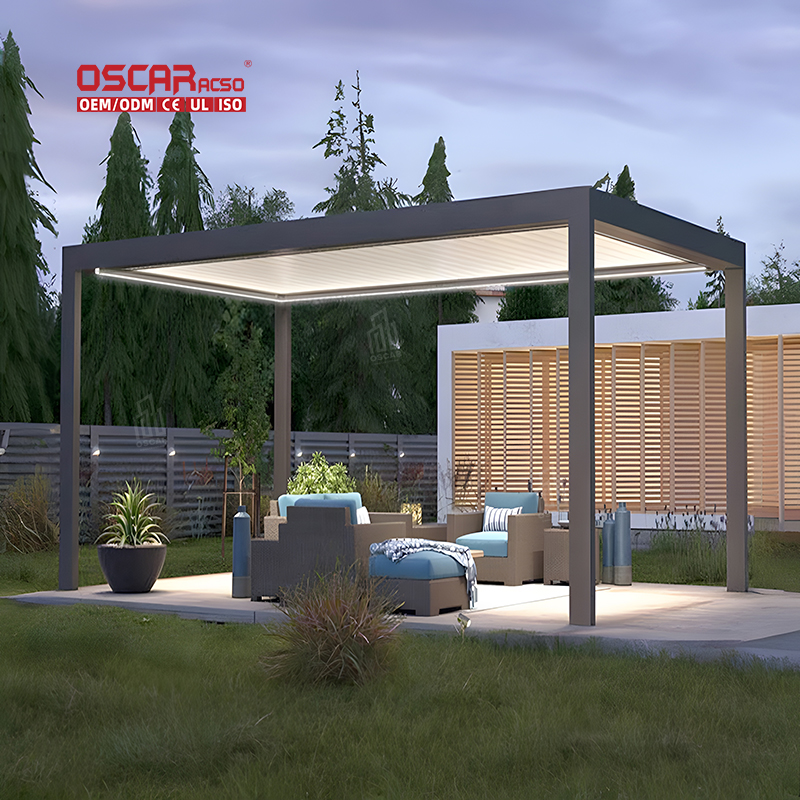
.jpg "when building a pergola")

.jpg "when building a pergola")