Wood: The Timeless, Rustic Choice 🌳
Is wood still a top pick for pergolas? Absolutely—its natural warmth fits almost any home style, from farmhouses to cottages. But not all wood is equal:
- Cedar: Resists rot, insects, and warping naturally—ideal for humid or rainy climates. It ages to a beautiful silvery gray if left unstained.
- Pressure-Treated Pine: Budget-friendly and durable, treated with chemicals to fight decay. Great for beginners, but needs staining to avoid a greenish tint.
- Teak: Premium option with rich color and unmatched longevity (lasts 50+ years). Perfect for luxury outdoor spaces but comes with a steep price tag.
Wood’s biggest downside? Maintenance—plan to stain or seal it every 1–2 years. My take? If you don’t mind occasional upkeep, wood adds more character than any synthetic material.
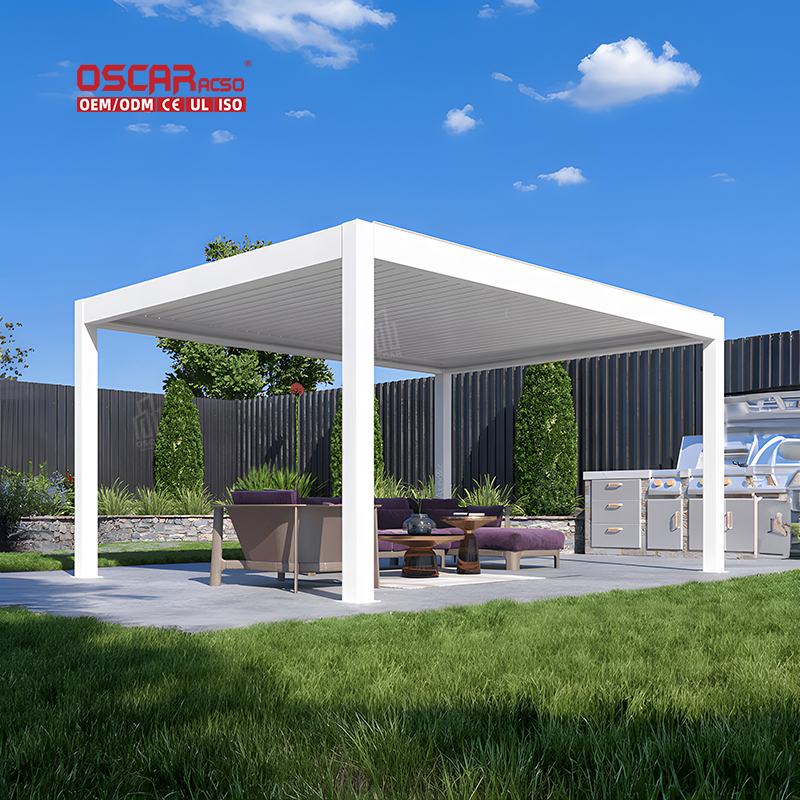
Aluminum: The Low-Effort, Durable Option 🔩
Tired of constant maintenance? Aluminum might be your best bet. Why do homeowners love it?
- Weather-Resistant: Won’t rust, fade, or rot—even in coastal areas with salt air or snowy regions. It holds up against extreme temperatures too.
- Lightweight Yet Sturdy: Easy to assemble (great for DIY kits) but strong enough to support climbing vines like wisteria.
- Stylish Versatility: Comes in powder-coated finishes (black, bronze, white) to match modern or traditional homes. Some mimic wood grain for a natural look.
Is aluminum boring? Not at all—its sleek lines work for contemporary yards, and the low upkeep means you spend more time enjoying it than fixing it.
Vinyl: The Hassle-Free, Long-Lasting Pick 🧱
What if you want zero maintenance? Vinyl is the answer. It’s a favorite for busy families or anyone who hates staining:
- Durable: Resists pests, rot, and fading. Wipe it down with soap and water once a year, and it looks like new.
- Affordable: Mid-range pricing, cheaper than teak or high-end aluminum. Great for budget-conscious buyers.
- Color-Stable: The color is built-in, so it won’t chip or peel—no need for touch-ups.
Does vinyl have flaws? It can crack in extreme cold (think -20°F or below) and isn’t as eco-friendly as wood. But for warm or temperate climates, it’s unbeatable.
Composite: The Eco-Friendly Middle Ground ♻️
Looking for something greener? Composite (made from recycled wood and plastic) is a smart compromise:
- Eco-Conscious: Uses waste materials, reducing deforestation. Many brands are certified sustainable.
- Low Maintenance: Combines wood’s look with vinyl’s durability—no staining, just occasional cleaning.
- Sturdy: Resists warping and splitting, making it great for large pergolas or heavy vines.
Is composite worth the cost? It’s pricier than vinyl but cheaper than teak. If sustainability is a priority, it’s a worthwhile investment.
A 2024 survey by the Outdoor Industry Association found that 63% of homeowners chose aluminum or vinyl over wood for their latest pergola—citing maintenance as the top reason. But here’s the catch: wood still ranks highest for home resale value, with real estate agents noting it can boost outdoor space appeal by 15%. Pick what aligns with your lifestyle, not just trends.