

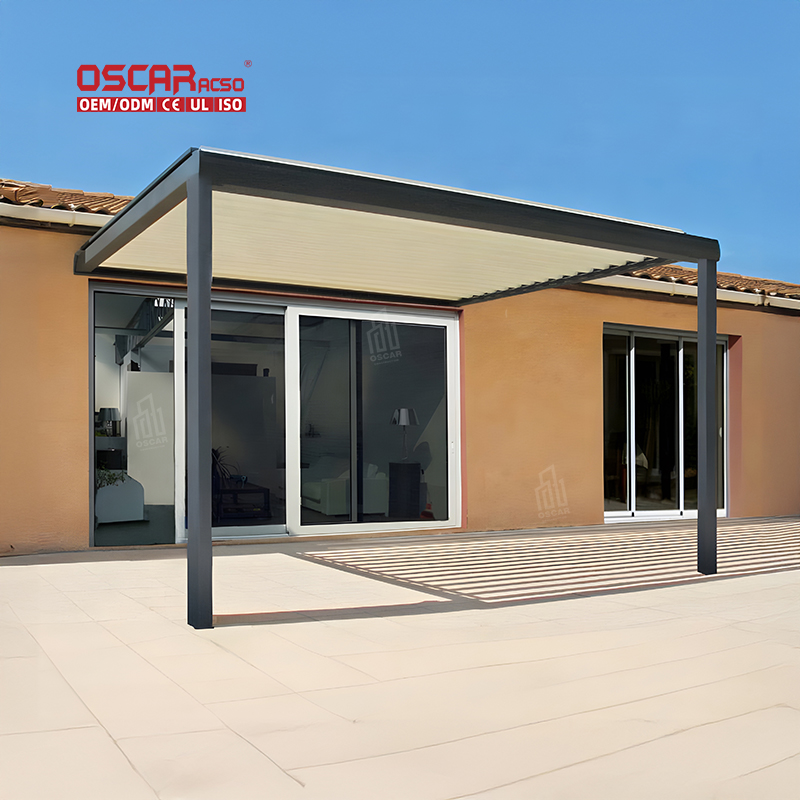
Picking the perfect wood for your pergola isn’t just about cost—it’s a crucial decision that impacts its beauty, longevity, and how much maintenance you’ll be signing up for. The right choice transforms your backyard into a stunning, functional retreat that stands the test of time and weather 🌿.
🌟 Top Contenders: A Breakdown of Popular Pergola Woods
Let’s dive into the most common wood types, each with its own superpowers and quirks.
- •
Cedar: The Natural Performer
A crowd favorite for a reason! Cedar boasts a natural resistance to decay, rot, and insects thanks to its innate oils. Its warm, reddish-brown hue and distinct aroma add a touch of elegance to any garden. It ages gracefully to a silvery-gray if left untreated, though regular sealing helps maintain its vibrant color. It’s a fantastic balance of beauty, durability, and relatively moderate cost.
- •
Redwood: The Premium Classic
If you’re after timeless elegance and superior strength, redwood is a top-tier choice. Known for its stunning reddish-brown color and natural resistance to warping and insects, it’s a durable option for harsh climates. The catch? Its premium look comes with a higher price tag and it still requires regular maintenance to preserve its rich color.
- •
Pressure-Treated Pine: The Budget-Friendly Workhorse
Don’t let the low cost fool you—this is a practical and durable option. Pressure-treated pine is infused with chemicals to resist rot, decay, and insects, making it a sturdy, affordable choice. Its initial greenish tint can be easily painted or stained to match your desired aesthetic. Perfect for DIYers on a budget who don’t mind periodic upkeep.
- •
Tropical Hardwoods (Ipe, Teak): The Luxury Champions

For an unparalleled, exotic look and extreme durability, tropical hardwoods are in a league of their own. Woods like Ipe (Brazilian Walnut) are incredibly dense, hard, and resistant to weather, rot, and even fire. They can last for decades with minimal care but come with a steep price and require special tools for installation due to their density.
.jpg "which wood for pergola")
⚖️ Beyond the Wood Type: Key Factors Shaping Your Decision
The best wood for yourpergola depends on more than just species.
- •
Climate & Weather: Your local environment is a huge factor. Humid, rainy areas demand woods with high natural rot resistance like cedar or redwood. Dry, sunny climates require woods that can handle UV exposure without cracking, or a strong sealant.
- •
Budget Reality: Costs vary wildly. Pressure-treated pine is the most economical, while tropical hardwoods represent a significant investment. Cedar and redwood sit comfortably in the mid-range.
- •
Maintenance Willingness: Be honest with yourself! How often do you want to stain, seal, or clean? Cedar and redwood need periodic sealing. Tropical hardwoods need little but are harder to work with. Pressure-treated pine requires maintenance to prevent the chemicals from breaking down over time.
- •
Aesthetic Goals: What’s your vibe? The warm, rustic charm of cedar, the rich elegance of redwood, the exotic darkness of Ipe, or the paint-ready canvas of pine? Your wood choice defines the structure’s entire character.
🔧 Pro Tips for Installation & Long-Term Care
A perfect piece of wood can fail if not handled correctly.
- •
Foundation is Key: Ensure a solid, level foundation with proper drainage to prevent water from pooling around the posts, which is a primary cause of rot.
- •
The Magic of Sealant: Regardless of your wood choice, applying a high-quality water-repellent sealant or stain within the first year is non-negotiable. This shields the wood from moisture and UV damage. Reapply every 2-3 years for optimal protection.
- •
Annual Check-Ups: Once a year, give your pergola a once-over. Look for signs of wear, check for loose hardware, and clean off dirt, moss, or mildew. This prevents small issues from becoming big, expensive problems.
💡 The Untold Secret: It’s About the Journey
From my perspective, choosing your pergola wood is deeply personal. It’s not just comparing price lists; it’s about matching a material to your lifestyle, your local weather patterns, and how you envision those lazy Saturday afternoons beneath it. The most expensive wood isn’t automatically the “best”—the best wood is the one that fits yourreality and brings you joy for years to come.
While a well-maintained wood pergola can last 10-20 years or more, its true value is measured in the memories created under its shade.
