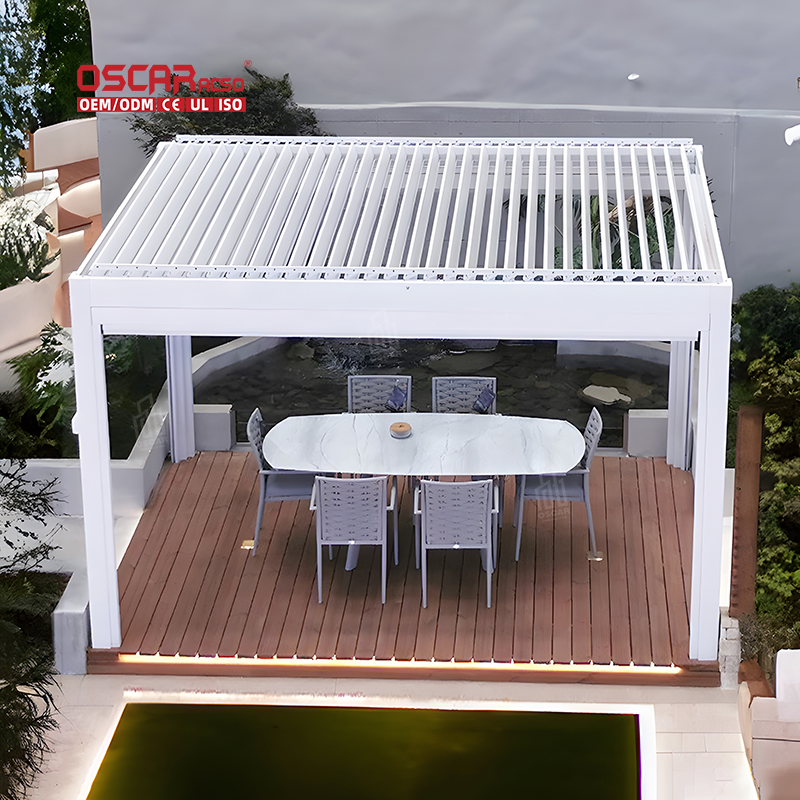
A wooden pergola is the crown jewel of any garden, creating a perfect spot for relaxation and entertainment. But without proper protection, rain and moisture can quickly undermine its beauty and structural integrity. So, what’s the secret to enjoying your outdoor sanctuary in any weather? The answer lies in effective waterproofing. This guide will walk you through the essential steps to shield your investment and ensure it remains a cozy retreat for years to come. 🌧️➡️☀️
Why Waterproofing is Non-Negotiable
Think of waterproofing not as an optional task, but as essential maintenance that protects your investment. A well-waterproofed pergola fights against wood rot, mold, and mildew, which can compromise the structure’s strength and appearance . It significantly extends the lifespan of your pergola, reducing the need for frequent, costly repairs. Ultimately, it transforms your pergola from a fair-weather feature into a versatile, all-season outdoor living space.
Before you even open a can of sealant, a thorough assessment is crucial. Ask yourself these questions:
• Material Matters: Is your pergola made of softwood, hardwood, or pressure-treated timber? Each has different absorption rates and may require specific treatments .
• Structural Soundness: Inspect for any existing damage—cracks, splinters, or signs of rot. These issues must be addressed before waterproofing .
• Environmental Factors: Consider your local climate. Areas with heavy rainfall or high humidity demand a more robust waterproofing approach .
Preparation is 90% of the success! Start with a deep clean. Use a mild detergent and a soft brush to remove dirt, grime, and any mildew. A crucial, often-overlooked step is to then let the wood dry completely, which could take a few days depending on the weather. This ensures the sealant can form a strong bond with the wood . For any minor repairs, use a suitable wood filler.
Choosing Your Waterproofing Arsenal
The right product depends on your desired balance of protection, aesthetics, and effort. Here’s a breakdown of your options:
• Protective Sealants: These are the go-to for many homeowners. Water-based sealants are easy to apply and clean up, while oil-based options penetrate deeper for longer-lasting protection . Look for products with added UV inhibitors to prevent the wood from graying.
• Waterproof Membranes & Covers: For immediate and substantial shelter, consider a permanent solution. Polycarbonate panels or corrugated metal sheets create a solid, watertight roof . Alternatively, retractable fabric canopies offer flexibility, allowing you to choose between sun and shade .
• Natural Oils and Stains: If you want to enhance the wood’s natural grain while protecting it, penetrating oils like tung oil or specialized wood stains are excellent. They water-repellent and often contain mildewcides .
Personal Insight: For a balanced approach, I often recommend a combination: a solid roof for key areas above seating, paired with a high-quality sealant on the entire structure. This provides comprehensive protection while managing costs.
🛠️ The Waterproofing Process: A Step-by-Step Guide
1. Clean & Dry: As mentioned, this is the most critical step. Ensure every surface is pristine and bone-dry.
2. Sand & Smooth: Lightly sand the wood to create a uniform texture. This helps the sealant adhere evenly and results in a more professional finish .
3. Apply Evenly: Using a brush, roller, or sprayer, apply the sealant in the direction of the wood grain. Pay special attention to end grains, joints, and connections, as these are most vulnerable to moisture absorption .
4. Second Coat (If Needed): For maximum protection in wet climates, a second coat is advisable. Always allow the first coat to dry completely as per the manufacturer’s instructions before applying the next .
Beyond the Brush: Proactive Protection Tips
Waterproofing is more than just a surface coating. Integrate these ideas for a holistic defense system:
• Install Gutters and Downspouts: A simple gutter system can channel rainwater away from the pergola’s base, preventing pooling and erosion around the posts .
• Ensure Proper Slope: Whether you’re installing a roof or just the beams, design elements with a slight slope. This encourages water to run off instead of pooling on flat surfaces .
• Use Breathable Materials: Avoid trapping moisture within the wood. Breathable waterproof membranes allow moisture from inside the structure to escape while blocking external water, preventing rot from the inside out .
Long-Term Care: Keeping Your Pergola Pristine
Is waterproofing a one-and-done job? Absolutely not. Regular maintenance is key to longevity.
• Semi-Annual Inspections: Twice a year, ideally in spring and fall, check for signs of wear like peeling sealant or minor cracks .
• Gentle Cleaning: Keep the pergola clean with periodic washing using a mild soap and water. Avoid harsh chemical cleaners that can degrade the waterproofing layer .
• Reapplication Schedule: Even the best sealants degrade over time. Plan to reapply a fresh coat every 1 to 3 years depending on product wear and your local climate .
By understanding the importance of preparation, choosing the right materials, and committing to ongoing care, you can ensure your wooden pergola remains a beautiful and durable extension of your home. It’s not just about keeping the rain out—it’s about creating a lasting outdoor haven for making memories, no matter the forecast. 🌈


.jpg "pergola outdoor wood waterproof")

.jpg "pergola outdoor wood waterproof")
.jpg "pergola outdoor wood waterproof")